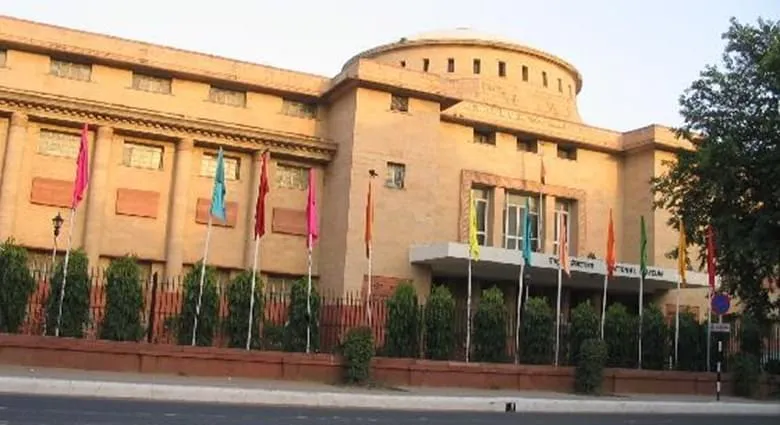
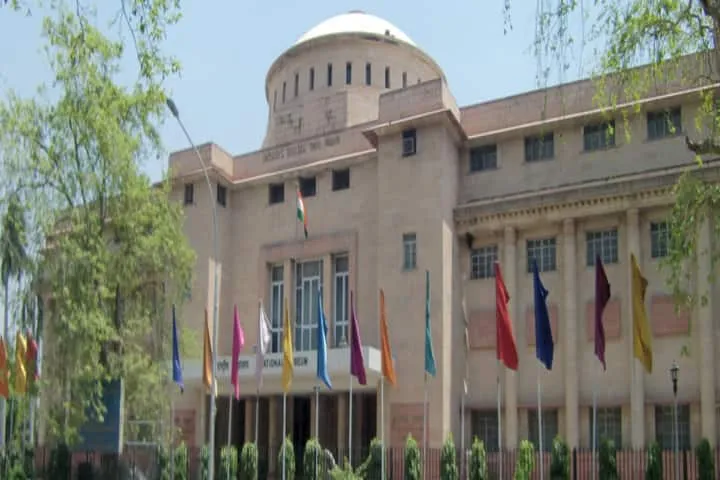
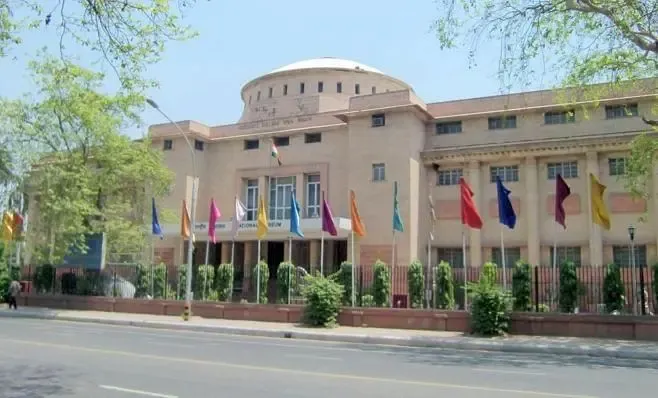
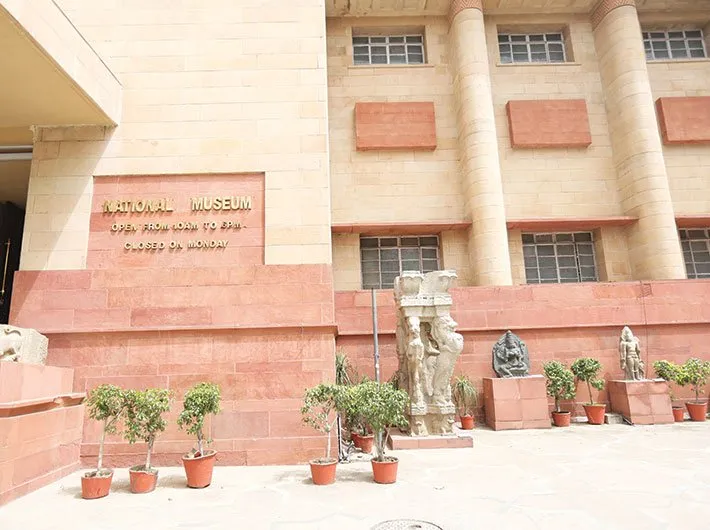
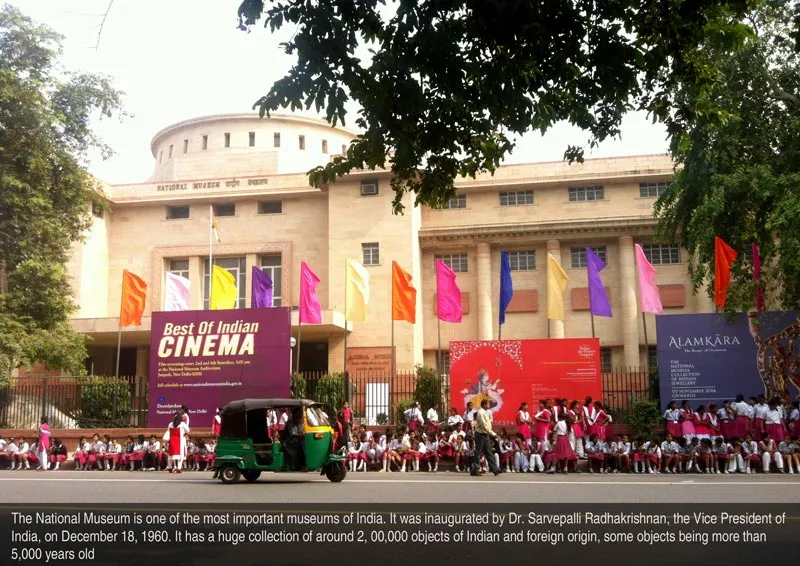
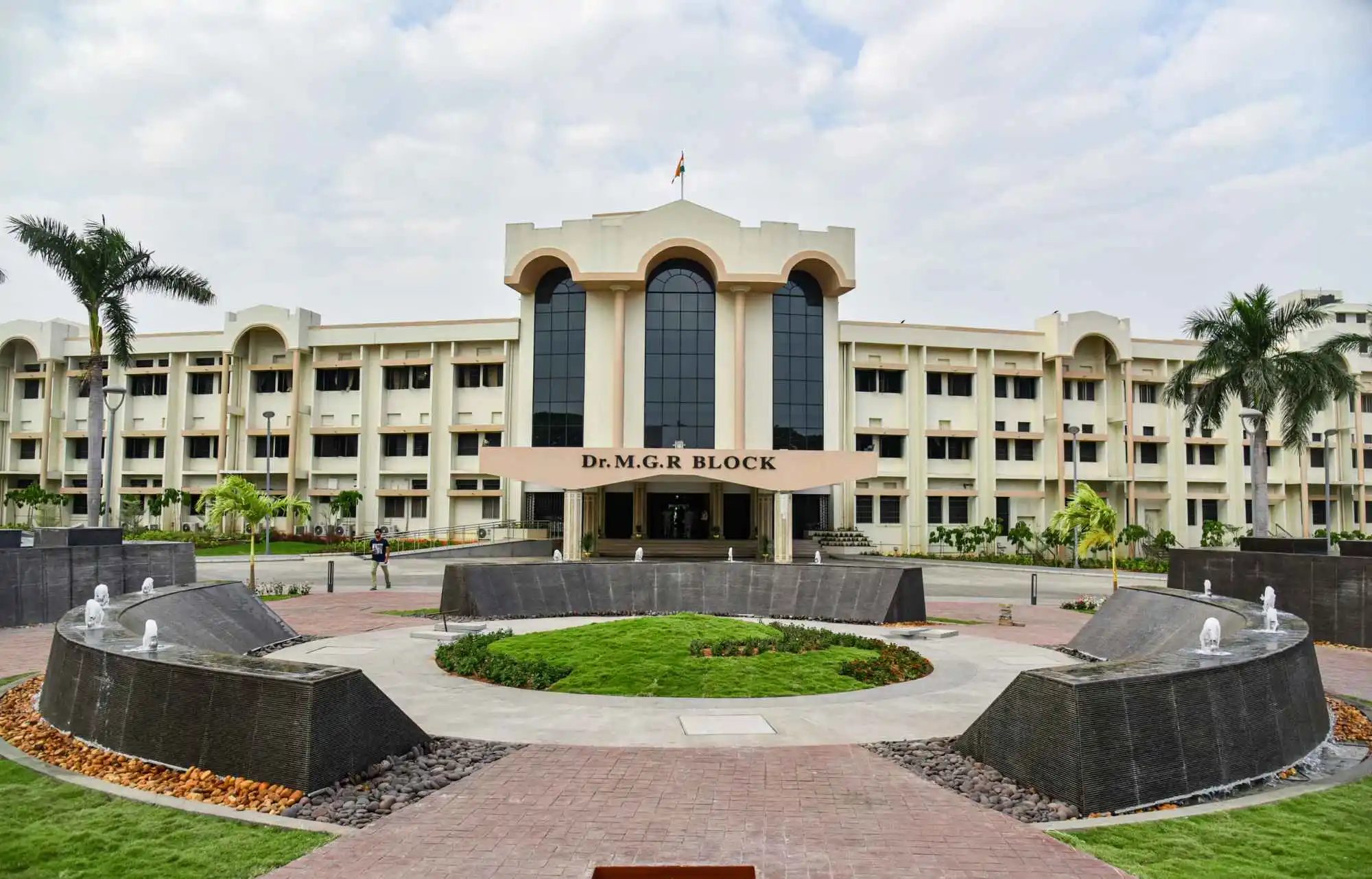
The National Museum Institute of the History of Art, Conservation and Museology (NMIHACM) is a premier autonomous institution dedicated to advanced education and research in art and cultural heritage. Established on January 27, 1989, under the Ministry of Culture, Government of India, it gained the status of a deemed university on April 28, 1989. The institute is strategically located within the premises of the National Museum in New Delhi, providing a rich environment for scholarly pursuits.
NMIHACM is committed to offering diverse courses, training, and research opportunities in History of Art, Museology, Conservation, and related fields. Collaborating with national institutions like the Archaeological Survey of India, National Gallery of Modern Art, and National Archives of India to share resources and expertise. Providing academic guidance and leadership to enhance teaching standards in its specialized fields. Publishing significant works that contribute to its areas of specialization.
The institute comprises three main departments. History of Art, offers educational programs focusing on Indian, Asian, and Western Art; Conservation, provides training in the conservation and restoration of art and cultural heritage; and Museology, focuses on museum studies, including curation, exhibition design, and museum management.
NMIHACM offers the following academic programs: Master's Degrees, two-year full-time Master's programs in History of Art, Conservation, and Museology. A limited number of government scholarships are available for these courses; Doctoral Research, Ph.D. programs in areas such as Museum Education, Museum Exhibition and Communication, Eco-Museums, and Museum Documentation; and Short-Term Courses on Indian Art and Culture, Art Appreciation, and Bhartiya Kalanidhi (Hindi Medium).
The institute actively engages in various projects, including Documentation of Intangible Cultural Heritage, focusing on inventories in regions like Ladakh and Western Uttar Pradesh; Museum Corners in Schools, establishing museum corners in schools across regions such as Nubra, Thangtse, Khaltsa (Ladakh), and Meerut (Western Uttar Pradesh); Yuva Saathi, an action research project involving young volunteers aimed at enhancing the experience of young visitors to the National Museum; and Museum Accessibility and Visitor Studies, conducting surveys of major art museums in India to improve accessibility and visitor engagement.
Through its Department of Museology, NMIHACM has organized several notable exhibitions. First Frames - In the Footsteps of Early Explorers, a photo exhibition on Western Himalayas, based on the explorations of Li Gotami, Lama Anagarika Govinda, and August Hermann Francke; Nako Living Cultural Heritage in the Western Himalayas, a photo exhibition in collaboration with the Austria Embassy; and Astitav - A Quest for Identity, an exhibition jointly organized with the Archaeological Survey of India at the Children's Museum, Siri Fort, New Delhi.
The institute boasts a well-stocked library equipped with a fully automated digital system, housing over 68,000 slides and numerous journals accessible to students and researchers. NMIHACM also regularly publishes significant works in History, Conservation, and Museology, contributing to the academic and professional discourse in these fields. Through its comprehensive programs and initiatives, NMIHACM continues to play a pivotal role in preserving and promoting India's rich cultural heritage.