The Indian Agricultural Research Institute (IARI), commonly known as the Pusa Institute, is India's premier institution dedicated to agricultural research, education, and extension. Established in 1905 at Pusa, Bihar, with a generous grant from American philanthropist Henry Phipps, the institute relocated to New Delhi in 1936 following the devastating Bihar earthquake of 1934. Since then, IARI has been at the forefront of advancing agricultural practices in India.
IARI's mission is to provide national leadership in agricultural research, education, extension, and technology assessment and transfer. The institute strives to develop new concepts and approaches, serving as a national reference point for quality and standards in agriculture.
As a deemed university, IARI offers postgraduate and doctoral programs in various agricultural sciences. The institute comprises 20 divisions and five multidisciplinary centers located in Delhi, along with eight regional stations and two off-season nurseries. These units focus on diverse fields such as crop improvement, plant protection, basic sciences, horticultural sciences, and natural resource management.
IARI played a pivotal role in India's Green Revolution during the 1970s, developing high-yielding crop varieties and innovative farming techniques that significantly increased food production. The institute continues to lead in agricultural advancements, contributing to food security and sustainable farming practices in the country.
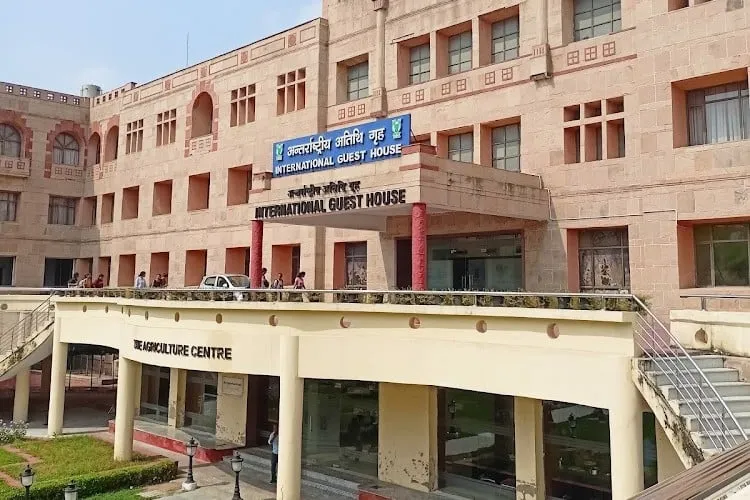
Situated in Pusa, New Delhi, the IARI campus spans approximately 500 hectares. The institute is equipped with state-of-the-art laboratories, extensive research farms, and advanced training facilities, fostering an environment conducive to cutting-edge research and academic excellence.
Through its unwavering commitment to innovation, education, and extension services, the Indian Agricultural Research Institute remains a cornerstone in the advancement of India's agricultural sector.